In the rugged beauty of Oro Valley's foothills, building custom homes and additions presents both opportunities and challenges. The region's unique topography and local building codes demand careful consideration during roof installation, especially when crafting designs that blend with the landscape and meet safety standards. This guide provides a comprehensive roadmap for installing roofs on new custom homes and additions in the area. We'll examine the step-by-step process, from preparing the roof deck to final inspections, offering insights into specialized considerations, materials, and best practices to ensure a successful and durable installation. Let's explore how to transform a vision for a custom home roof design into a reality that stands the test of time in the Oro Valley area.
- Planning Custom Home Roof Design
- Materials & Techniques for Foothills
- Installation Steps: Expert Guidance
- Maintenance & Longevity Tips for New Roofs
Planning Custom Home Roof Design
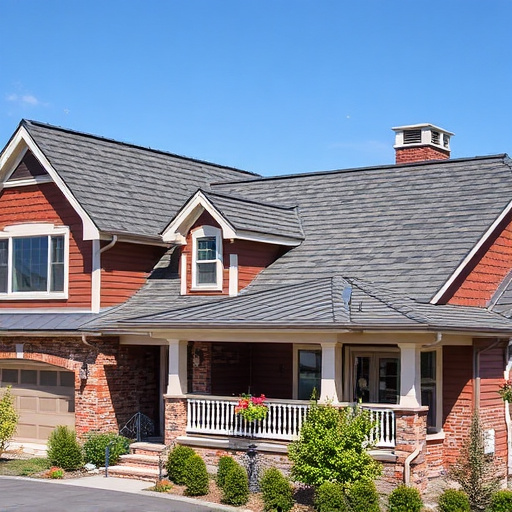
In the planning phase of new custom homes and additions in the foothills, careful consideration of custom home roof design is essential. This design not only enhances the architectural aesthetic but also dictates the structural integrity, durability, and energy efficiency of the building. A local roofing company serving Oro Valley, with extensive experience in the region's unique building codes and topography, can provide invaluable guidance.
The Town of Oro Valley permits require specific details in roof design, particularly for homes built in the foothills. One key aspect is the selection of appropriate materials. Hip tiles are often a preferred choice for slopes commonly found in the area, offering both style and functionality. OSB sheathing is a standard practice, providing a sturdy base for roofing materials while adhering to local building standards. Proper design includes strategic placement of roof valleys and ridges, ensuring effective drainage and minimizing the risk of water damage, a common concern in the foothills' climate.
Expert roofing contractors in Oro Valley emphasize the importance of a well-designed roof deck before installation. This prep work includes ensuring proper framing, structural support, and ventilation. A carefully planned custom home roof design not only streamlines the installation process but also contributes to the long-term performance and value of the property. After installation, regular quality checks during mid-inspections and final walkthroughs, along with proper cleanup and magnet removal, ensure the roof meets the high standards expected in the Oro Valley area.
Materials & Techniques for Foothills

When designing and installing roofs for new custom homes and additions in the Catalina Foothills, the unique geography and climate demand special consideration. The area's varied terrain, from gently rolling hills to steep slopes, requires roofer expertise to ensure structural integrity and water-tightness. The region's arid climate necessitates the use of materials and techniques that offer superior durability and insulation, especially when constructing roofs with a custom home design in mind.
DC Roofing of Arizona, a licensed Oro Valley area roofing contractor, emphasizes the importance of using appropriate materials like oriented strand board (OSB) sheathing, which offers both strength and cost-effectiveness. This versatile sheathing is ideal for the Foothills' varied load conditions, providing a solid base for the roof structure. For enhanced energy efficiency, spray polyurethane foam (SPF) insulation is often recommended. SPF not only provides an excellent R-value but also acts as a seamless, air-tight barrier, preventing heat gain in the summer and heat loss in the winter.
For roofing materials, the local climate dictates the choice of shingles or metal. Shingles are a popular choice for their affordability and availability, but they may not be the best option for the harsh sun and wind that can hit the Foothills. Metal roofing, on the other hand, offers superior longevity and reflectivity, reducing the home's carbon footprint and potentially lowering energy costs. For custom home roof designs, metal allows for unique aesthetic possibilities while still ensuring the structural soundness required to withstand the area's weather patterns.
To material choices, proper installation techniques are paramount. This includes paying close attention to underlayment installation to safeguard against leaks and ensuring the correct placement of roof flashing, which protects the joints and openings around the roof. Ridge and hip installations, crucial for directing water off the roof, must be executed with precision. For tile roofs, battens are essential for securing the tiles and preventing them from shifting, a critical detail that can't be overlooked.
Installation Steps: Expert Guidance

Installing a roof on a new custom home or addition in the Oro Valley foothills requires meticulous planning and expert execution. The process involves more than simply nailing down tiles or shingles; it entails adhering to local building codes, like those enforced by the Pima County Building Department, and ensuring the roof seamlessly integrates with the unique design of the structure. A licensed Oro Valley area roofing contractor, with experience in the region's specific challenges, plays a crucial role in navigating these complexities.
The first step is understanding the custom home roof design and selecting appropriate materials. This includes choosing the right roofing material - concrete tile, for example, is a popular choice for its durability and low maintenance - and ensuring it complies with local regulations. The slope of the roof may be dictated by the building code and the local topography, influencing the installation method and the type of underlayment used. Once materials are selected, the roofing crew prepares the roof deck, ensuring it's clean, level, and in good condition. This involves removing debris, repairing any damage, and installing any necessary structural supports.
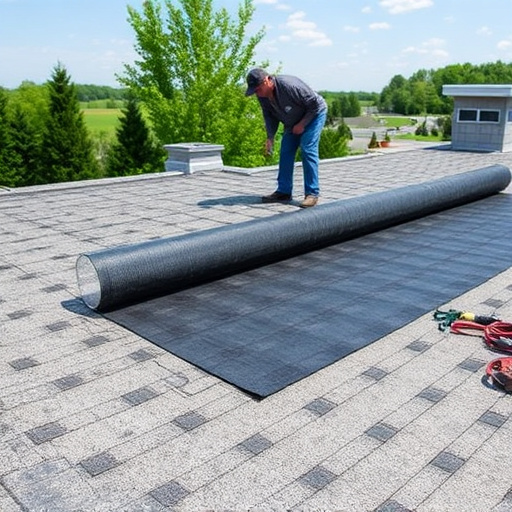
The actual installation process begins with the placement of underlayment, a protective layer that shields the structure from moisture. For a concrete tile roof, this might involve installing a synthetic underlayment that's specifically designed to withstand the weight and conditions of these tiles. Then, the roofing crew attaches the tiles, starting from the bottom edge and working their way up, securing them with nails and ensuring proper alignment. A ridge cap, designed to protect the roof's highest point from the elements, is installed at the ridge line. Throughout the process, quality checks are conducted to ensure the work meets industry standards and the homeowner's expectations. Weather conditions play a significant role, and delays may occur due to excessive rain or wind. Local utility companies are also notified before installation to avoid any disruptions to services during the project.
Maintenance & Longevity Tips for New Roofs

Maintaining a new roof is crucial for ensuring its longevity in the challenging conditions of the Catalina Foothills. When installing roofs on custom homes and additions, DC Roofing of Arizona emphasizes the importance of a solid foundation and ongoing care. The first step in any roof's lifespan is proper preparation of the roof decking, a critical component in our region's diverse climate.
In the Foothills, where weather patterns can be unpredictable, a well-prepared deck is essential. This involves checking for levelness and ensuring the deck is free from defects or damage before installing underlayment. Step flashing, a key detail often overlooked, matters in protecting the joints where walls meet the roof. By incorporating this detail, we mitigate the risk of water intrusion, a common issue in our area's frequent rain and wind.
Regular inspections are recommended throughout the process, including mid-install and final walkthroughs. These checks ensure that every step aligns with the custom home roof design and local building codes. Post-installation, proper staging and cleanup are essential for safety and to minimize disruption to neighboring residents. We also advise homeowners to consider the environment when choosing roofing materials, such as cool roofs, which can help regulate indoor temperatures and reduce energy costs. Regular maintenance, including cleaning gutters and inspecting for loose or damaged shingles, is crucial to preserving the roof's integrity.
Frequently Asked Questions About a guide to installing roofs on new custom homes and additions in the foothills
What are the key considerations when selecting a roofing material for a new custom home in the foothills?
Choosing the right roofing material is crucial for both aesthetics and functionality in foothills environments. Consider these key factors: weather exposure, local climate conditions, building design, and budget. In areas prone to heavy rainfall, water-resistant materials like metal or tile are ideal. In arid climates, reflective roofing can help with heat absorption, while energy-efficient options are beneficial for year-round comfort. Consult with a licensed Oro Valley area roofing contractor to find a material that aligns with your specific needs and local building codes.
How long typically does a new roof installation on a custom home take?
Most new roof installations on custom homes or additions in the Oro Valley area take one to two days, depending on the size and complexity of the project. This process involves several steps, including demolition of the old roof, preparing the deck, installing underlayment, placing shingles or other materials, and final inspections. It's important to allow for weather delays, as well as time for material delivery and contractor scheduling.
What permits are required for a new roof installation in Oro Valley?
Before beginning any roof installation, you must obtain the necessary permits from the local building department in Oro Valley. Permits ensure compliance with building codes and safety regulations. Generally, you'll need a building permit, and possibly a set of plans reviewed by the building department. It's the homeowner's responsibility to ensure all requirements are met. Consult with a local roofing company serving Oro Valley and Marana for guidance on the permitting process.
Can a custom home's roof be installed at a slant suitable for capturing rainwater?
Absolutely. Incorporating a roof with a suitable slope for rainwater collection is a smart design choice for custom homes in the foothills. A steeper slope allows water to flow off more quickly, reducing the risk of leaks and damage. This also aligns with sustainable building practices, promoting water conservation. Discuss the ideal slope and drainage solutions with your Oro Valley roof specialist during the design phase.
What are the signs that a roof needs immediate attention or replacement?
Regular inspection is key to identifying potential roof issues early. Look for these red flags: water stains, peeling or curled shingles, missing or loose shingles, granule loss, or signs of mold or mildew. If you notice any of these, contact a licensed Arizona roofer for an assessment. Prompt attention to these issues can prevent more serious, and costly, damage down the line.
Installing roofs on new custom homes and additions in the foothills requires careful planning and execution. By understanding the specialized installation considerations unique to the Oro Valley area, homeowners and builders can ensure a successful project. Custom home roof design should account for the region's specific challenges, such as the foothills' topography and local building codes. The article has outlined a comprehensive timeline, from preparation and material selection to installation and post-installation care. Key insights include the importance of underlayment installation, proper roof flashing, and staging materials on-site efficiently. Quality checks during installation, managing weather delays, and minimizing noise and dust are also crucial for a smooth process. A well-designed custom home roof can enhance energy efficiency with a cool roof installation or withstand extreme conditions with robust materials like metal or foam. Following these expert guidelines and best practices will ensure your new roof not only meets but exceeds expectations, contributing to the longevity and value of your Oro Valley property.
Custom Home Roof Design & Installation in Oro Valley Foothills:
Careful consideration of custom home roof design is crucial for new builds and additions in Oro Valley's foothills. Local building codes and topography dictate materials (e.g., hip tiles, OSB sheathing) and design elements (e.g., valleys, ridges) for structural integrity and water management. Expert roofing contractors emphasize proper roof deck preparation, strategic material selection, and meticulous installation for enhanced durability and energy efficiency. Regular inspections, thorough cleanup, and environmental considerations for materials further ensure the roof's longevity and performance.