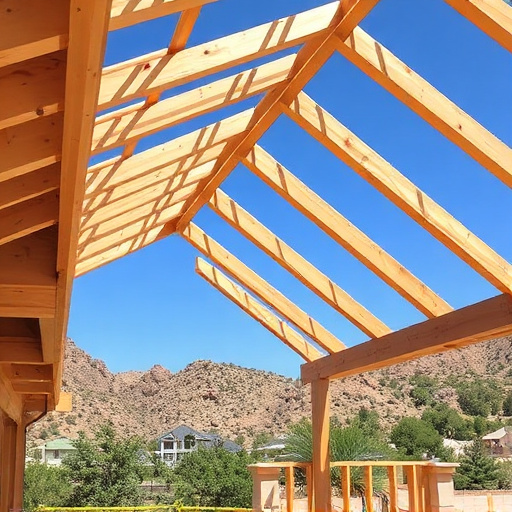
Roof installations are a significant aspect of home improvement and construction, often involving complex processes and regulatory requirements. For homeowners and contractors alike, navigating the permits, inspections, and final sign-off stages can be a significant challenge, especially in a city like timeline where building codes are stringent. This article provides an in-depth guide to demystify these crucial steps, focusing on the key aspects like ensuring compliance, quality control, and the strategic placement of battens for tile roofs. By understanding these processes, you can better prepare for a successful and seamless roof installation.
- Understanding Permit Requirements for Tile Roofs
- Conducting Pre-Installation Inspections: Key Checks
- Battens for Tile Roofs: Installation and Best Practices
- Final Sign-Off: Ensuring Quality and Safety Standards
Understanding Permit Requirements for Tile Roofs
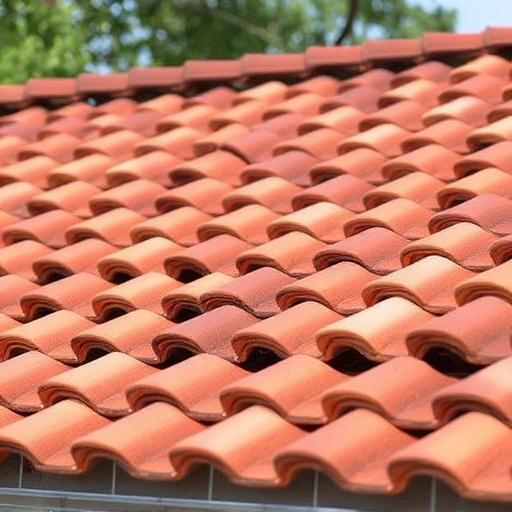
For installing a tile roof, navigating the permit process and understanding required inspections is crucial for a smooth project. In timeline-sensitive construction, especially in Oro Valley, where unique architectural features like valley flashing and complex topographies might be present, adhering to local building codes is paramount. A custom home builder in Oro Valley may require a different approach than a typical roof replacement on a detached garage.
DC Roofing of Arizona, a licensed Oro Valley area roofing contractor, emphasizes the importance of securing the necessary permits before beginning any roof installation, especially for tile roofs. The permitting process involves submitting detailed plans to the local building department, which may include specifications for battens for tile roofs, underlayment, and other components. This step is essential to ensure compliance with local building codes and to avoid potential delays during the installation timeline. The Oro Valley Building Department, for instance, may have specific requirements for clay tile roofs, including additional structural considerations and flashing techniques.
During the installation, mid-project inspections are common, focusing on ensuring the quality of work and adherence to building codes. A roofer with an Arizona ROC license will coordinate these inspections, addressing any issues with battens for tile roofs, OSB sheathing, or other components. The final walkthrough, conducted after the installation is complete, includes a thorough inspection by both the roofing contractor and, in many cases, a representative from the building department. This process ensures that the roof meets all safety and aesthetic standards before final sign-off. Proper staging of materials on-site, including the safe loading of roof tiles onto a crane, also contributes to a successful project, minimizing disruptions to neighboring residents and local utility companies.
Conducting Pre-Installation Inspections: Key Checks

Before any work begins, a roofing contractor serving Oro Valley and Marana will conduct a thorough pre-installation inspection. This step is crucial to ensure the project starts on solid ground, adhering to local building codes and the specific needs of each home. The inspection uncovers potential issues, clarifies design details, and verifies the feasibility of the planned roof replacement or new construction.
One key check involves examining the roof decking-the structural layer that supports the tiles or other roofing materials. The contractor will assess its condition, looking for any signs of rot, water damage, or inadequate fastening. This is essential as a healthy, stable roof deck is the foundation for a durable installation. If the deck shows signs of wear, the roofer might recommend repairs or replacements before proceeding, preventing future complications. Another critical aspect is the proper installation of battens for tile roofs. Battens, or roof battens, are wooden strips that support the tiles and ensure even spacing. Their correct placement is vital for the aesthetic appeal and longevity of the roof.
The inspection examines the home's eave closure and ridge cap. These components play a significant role in sealing the roof against the elements, preventing water intrusion, and enhancing the overall energy efficiency. A roofing expert will verify that these elements are in good condition and compatible with the planned roofing materials. If the existing ridge cap is made of a different material that doesn't align with the new roof design, adjustments may be necessary to ensure a seamless finish. By meticulously going through these checks, the contractor can identify and address potential issues early on, ensuring a safe, high-quality, and compliant roof installation.
Battens for Tile Roofs: Installation and Best Practices
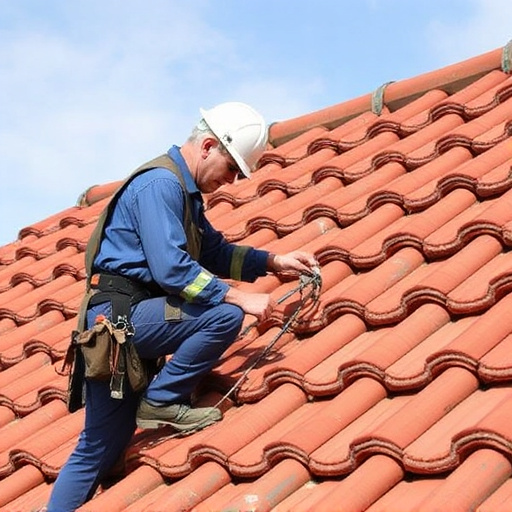
When installing a tile roof, battens play a crucial role in securing the tiles and ensuring a durable, weather-resistant finish. This process, known as batten installation, involves strategically placing wooden or metal strips along the roof's underside, providing a solid attachment point for the tiles. At DC Roofing of Arizona, our licensed Oro Valley area roofing contractors understand the importance of this step, adhering to local building codes, such as the Pima County building code, and industry best practices.
The installation process begins with meticulous preparation. Our crew members carefully measure and mark the location of each batten, ensuring they are evenly spaced and aligned with the roof's contours. On roofs with a complex Foothill topography, adjusting batten placement to accommodate slopes and valleys is essential. Once marked, the battens are cut to size and fastened to the roof deck using nails or screws, depending on the material and local code requirements. This step is crucial for the structural integrity of the roof, especially for heavy tile or metal roofing systems.
As we install the battens, safety is paramount. Our experienced roofers take precautions to mitigate noise and dust levels, ensuring a comfortable work environment for both our crew and neighboring residents. After completing the batten installation, we conduct a thorough inspection to verify alignment and fastening. This mid-installation check ensures that any issues are identified and addressed promptly, adhering to the rigorous standards set by our ROC license. For tile roofs, proper batten spacing and secure attachment are paramount to prevent tile damage or displacement in the future.
Finally, upon completion of the roof, a final walkthrough is conducted with the homeowner. This involves a comprehensive inspection of the entire roof system, including the battens. Only after a thorough review and sign-off by the homeowner and our roofing specialist, DC Roofing of Arizona, will we consider the job fully completed. This meticulous approach ensures the longevity and aesthetic appeal of your new tile roof, standing up to the challenges of Arizona's climate and local building codes.
Final Sign-Off: Ensuring Quality and Safety Standards
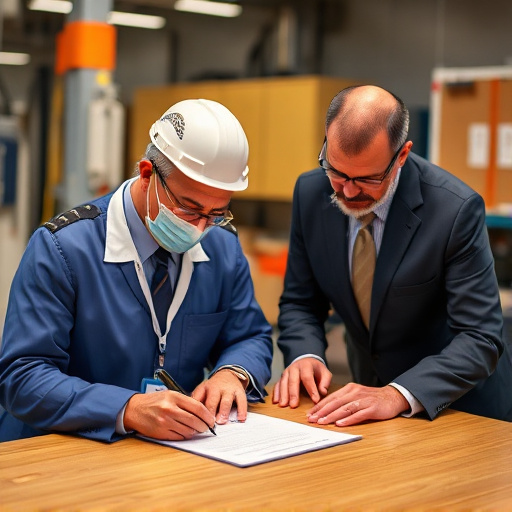
The final sign-off is a critical phase in a roof installation, ensuring the project meets both safety and quality standards. This step, often overlooked, involves a comprehensive review of the entire installation process, from the roof deck and underlayment to the final tiling or shingling. An experienced Oro Valley roof specialist will conduct this inspection, meticulously checking for any deviations from the plan and ensuring the structure is secure and weather-resistant.
In the context of Rancho Vistoso and other areas with unique architectural challenges, like varied terrain, this inspection becomes even more vital. The installer will verify the integrity of the roof decking, often OSB sheathing, ensuring it's properly fastened and free from damage. They'll also inspect the placement of battens for tile roofs, crucial for the tiles' structural support and alignment. Proper batten spacing and secure fastening are essential, especially with the varying weather patterns in our region.
During the final walkthrough, the roofer will pay close attention to details like roof vents, ensuring they are in place and functioning to promote ventilation and prevent moisture buildup. They'll also check for proper flashing installation around chimneys and vents, a key defense against leaks. Once satisfied that all aspects of the install meet or exceed safety standards, the roofer will sign off, giving the homeowner confidence in the quality of their new roof.
This rigorous sign-off process, involving both the homeowner and the local building department, is a sign of the importance of safe and durable roofing. It's a critical step that goes beyond aesthetics, guaranteeing the structural integrity of the home for years to come, even in the face of our area's distinct climate and topographical considerations.
Frequently Asked Questions About an explainer on permits, inspections and sign off during a roof install
What is the purpose of a permit before installing a roof? A permit is a legal document issued by the local building department, allowing a contractor to commence work. It ensures the project complies with building codes and regulations, protecting both the homeowner and the contractor. Permits verify that the work meets safety standards, including material quality, structural integrity, and environmental considerations.
How do I know if my roof installation needs an inspection? Most roof installations in Oro Valley require inspections at various stages, especially during the construction process. These inspections ensure the work aligns with the approved plans and codes. Common inspections include framing, flashing, and final completion checks. Your roofer should inform you of the required inspections and when they'll occur.
Who conducts the final inspection and sign-off? The final inspection and sign-off are typically conducted by a licensed building inspector from the local building department. They will review the entire installation process, including the work done and the materials used, to ensure it meets all necessary codes and requirements. Once satisfied, they issue a certificate of occupancy, allowing you to use and enjoy your new roof.
What happens if an inspection reveals issues? If an inspection uncovers issues, the building inspector will note them on the inspection report. The contractor must address these issues before obtaining final approval. Communication is key; discuss the necessary corrections with your roofer, and they should provide a revised timeline for completion.
Can I sign off on the project without a final inspection? It's crucial not to sign off on a roof installation without a thorough final inspection. Signing off before the inspection could lead to legal issues and potential safety hazards. Always ensure the work is complete, code-compliant, and meets your expectations before giving your final approval.
Who is responsible for obtaining permits and scheduling inspections? The contractor, like DC Roofing of Arizona, is typically responsible for obtaining the necessary permits and scheduling inspections. They should keep you informed about the process and provide clear communication regarding timelines and any requirements from the building department.
What happens if I have concerns during the inspection process? If you have concerns or notice any issues during inspections, communicate them immediately to your roofer. They should work with you to address and resolve these concerns. Remember, your input is valuable, and clear communication ensures the final result meets your expectations.
Completing a roof installation involves navigating permits, inspections, and sign-offs, each crucial for a safe, lasting result. Understanding permit requirements, especially for specialized installations like tile roofs, is the first step in a successful project. Pre-installation inspections, focusing on key structural and safety aspects, are vital to identify and address potential issues before work begins. Once the roof is in place, battens for tile roofs must be installed correctly to ensure the tiles are securely fastened and the roof is structurally sound. Finally, the sign-off process verifies that the installation meets all quality and safety standards, giving homeowners peace of mind. By adhering to these guidelines, local roofing contractors in Oro Valley can ensure their work is up to code, minimizes disruption, and protects both property and the public.
Permits, Inspections, and Battens: Key to Smooth Tile Roof Installs in Oro Valley
Navigating permits, inspections, and battens for tile roofs is crucial for successful, compliant roof installations in Oro Valley. A licensed local roofing contractor like DC Roofing of Arizona emphasizes these steps:
- Permits: Submit detailed plans to the building department, including batten, underlayment, and other component specifications.
- Inspections: Mid-project and final walkthroughs ensure quality, adherence to building codes, and safety standards.
- Battens for Tile Roofs: Correct placement is vital for aesthetic appeal and roof durability, with meticulous preparation, safety, and thorough inspections throughout installation.
- Final Sign-Off: A comprehensive review by an experienced roof specialist ensures the roof meets safety and quality standards, crucial for structural integrity and weather resistance in Oro Valley's unique conditions.