
In Oro Valley, a new roof is more than just an upgrade; it's a critical component of home protection, energy efficiency, and curb appeal. However, the roof installation process can be complex, with numerous steps and considerations. Homeowners often wonder, "what happens on install day?" This article provides a step-by-step guide, from preparation to final walkthrough, to demystify the process. We'll explore specialized considerations like local building codes and Foothill topography, the importance of quality checks during installation, and how to minimize weather delays during installs, all while ensuring a successful and efficient new roof for your Oro Valley home.
- Preparation: Planning for a Seamless Oro Valley Roof Installation
- Demolition & Underlayment: Setting the Stage for a New Roof
- Roofing Materials & Installation: Choosing and Applying the Right System
- Finishing Touches & Safety: Ensuring a Durable, Safe Oro Valley Roof
Preparation: Planning for a Seamless Oro Valley Roof Installation
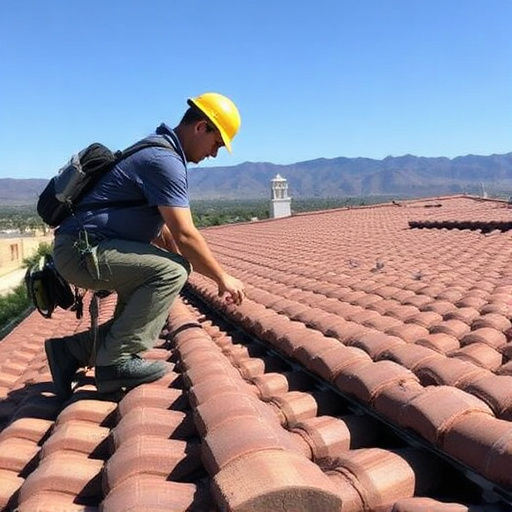
Planning for a seamless Oro Valley roof installation starts well before the first nail is driven. A local roofing company serving Oro Valley emphasizes the importance of a thorough pre-installation assessment, factoring in key elements like weather patterns and local building codes. Understanding the unique challenges posed by Oro Valley's foothill topography is crucial, as are specific requirements for the type of roofing materials chosen.
One critical step is determining the optimal nail pattern for the chosen roofing material-whether it's traditional 30 lb felt, OSB sheathing, or another option. This pattern influences the overall structural integrity of the roof and can impact installation speed and efficiency. A tight nail pattern might be suitable for areas prone to high winds, ensuring the roof remains secure during potentially volatile weather delays during installs.
Weather delays during installs are a common occurrence in Oro Valley due to its distinct seasonal changes. Homeowners should be prepared for potential delays and communicate openly with their roofing contractor. This includes scheduling flexible installation windows and understanding the steps the contractor will take to mitigate weather-related setbacks, ensuring the job progresses smoothly despite Oro Valley's unpredictable climate.
Preparing the roof deck before installation is paramount. This involves meticulous inspection and repair of any defects, ensuring a solid foundation for the new roof. A roofing contractor will assess the deck's condition, addressing issues like loose boards, damaged nails, or rotted sheathing, a process that forms a crucial part of quality checks during install. By addressing these details, the contractor guarantees a long-lasting and leak-free roof, enhancing the home's overall value.
Demolition & Underlayment: Setting the Stage for a New Roof
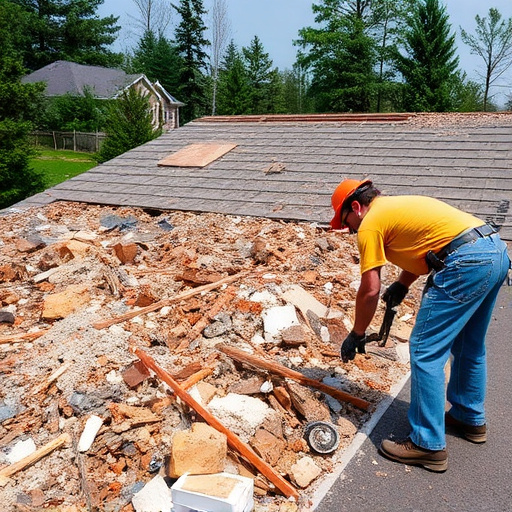
The initial phase of any roof installation in Oro Valley involves meticulous demolition and underlayment preparation, setting a solid foundation for the new roof. This critical step is often overlooked but is pivotal in ensuring a durable and leak-free finish. The process begins with a thorough inspection of the existing roof structure, including the removal of old shingles, underlayment, and any damaged or rotten wood. Local roofing contractors serving Oro Valley, like DC Roofing of Arizona, prioritize safety and adhere to Town of Oro Valley building codes during this phase.
Once the old roof is stripped away, the roofers expose the underlying structure, meticulously examining it for any signs of weakness or moisture intrusion. This is where the importance of battens-wooden strips used to attach underlayment to the roof deck-becomes evident. Properly spaced battens are essential for a secure and level underlayment installation. To battens, counter flashing, a secondary layer of protection, is often applied around the perimeters and vents to further seal the roof deck. This meticulous preparation is crucial, especially in our region, where varying weather conditions, including sudden storms, can cause delays during installs.
After the roof deck is ready, the new underlayment is installed, serving as a protective barrier between the roof and the elements. This layer is particularly crucial in our climate, as it shields against high temperatures and extreme weather. A local roofing company serving Oro Valley, such as DC Roofing, understands the unique challenges of the Foothill topography and local building codes, ensuring every step aligns with industry standards and regulatory requirements. With the underlayment in place, the stage is set for the installation of the new roofing material, be it tile, shingles, or metal, each with its own set of guidelines and best practices.
Roofing Materials & Installation: Choosing and Applying the Right System
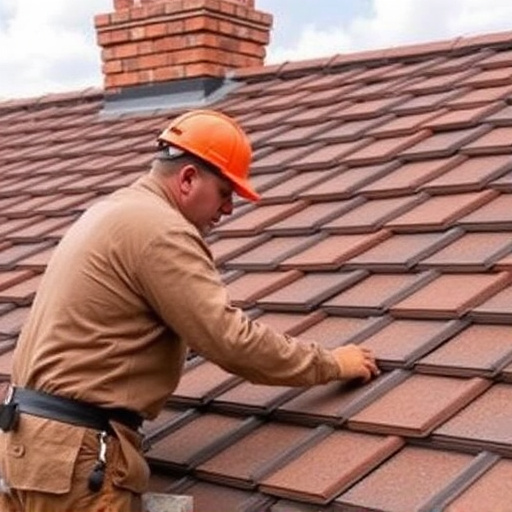
The choice of roofing materials matters in the overall success and longevity of a new roof. When installing a new roof in Oro Valley, factors like climate, local building codes, and personal style guide the selection process. One popular option is clay tile, renowned for its durability and aesthetic appeal. Clay tiles are a preferred choice for homeowners seeking a traditional, Mediterranean-inspired look, well-suited to the region's climate.
The installation process begins with preparing the drip edge, a crucial component that prevents water from pooling and damaging the roof. Once the drip edge is in place, the roofing crew starts laying the underlayment, a protective layer that shields the roof deck from moisture and provides a solid base for the tiles. For clay tiles, a specialized technique is employed. The tiles are carefully arranged and secured with nails, and then, in a unique step, a layer of clay slurry is applied between each tile. This slurry sets up quickly and fills in any gaps, enhancing the tiles' stability.
Weather delays during installs are a common occurrence in Oro Valley, especially during the monsoon season. Therefore, roofing contractors plan installations accordingly, ensuring that materials are staged on-site and readily available. A well-coordinated crew, with clear roles and responsibilities, is essential to mitigate the impact of weather delays. Having battens pre-cut and prepared for tile installation speeds up the process once the weather permits. The use of a crane for loading roof tiles, a common sight on larger projects, must be scheduled to avoid further delays.
Finishing Touches & Safety: Ensuring a Durable, Safe Oro Valley Roof

As the installation process nears its final stages, the focus shifts to the finishing touches and ensuring safety. This critical phase is where a roofer with an Arizona ROC license demonstrates their expertise, crafting a roof that not only protects the Oro Valley home but also stands the test of time. The goal is to create a durable, safe, and aesthetically pleasing finish, accounting for potential weather delays during installs.
One such detail involves the installation of a bird stop, a crucial component that prevents birds from nesting on the roof. Properly installed, it enhances the roof's longevity while maintaining a clean, professional appearance. Next, attention turns to the ridge cap, a critical piece that secures and seals the roof's highest point. This step ensures water cannot infiltrate at the ridge line, a common point of weakness. Step flashing is meticulously applied along the roof's edges and valleys, providing an extra layer of protection against leaks where the roof meets walls and chimneys.
Throughout these final stages, safety is paramount. Crews must ensure a clear, unobstructed path for materials and workers, especially when using cranes to load roof tiles. Proper fall protection equipment, as required by the Oro Valley Building Department and local building codes, is a non-negotiable safety measure. Regular quality checks during the install, including mid-inspections and a final walkthrough, ensure the work meets the high standards expected by homeowners and the local community. Effective communication with neighboring residents about the project timeline and potential noise and dust levels also contributes to a harmonious installation process.
Frequently Asked Questions About a Step by Step Walkthrough of How a New Roof is Installed on an Oro Valley Home
What is involved in the initial roof assessment?
The initial assessment involves a thorough inspection of your Oro Valley home's existing roof structure, including the age and condition of the shingles, underlayment, and flashing. A licensed Oro Valley area roofing contractor from DC Roofing of Arizona will also assess the slope and drainage of your roof, and identify any potential issues or areas needing repair. This detailed evaluation forms the basis for your new roof's design and installation.
How long does a new roof installation typically take?
Most roof installations in Oro Valley take one to two days, depending on the size and complexity of the project. This includes the removal of the old roof, preparation of the underlayment, and the installation of new shingles and flashing. DC Roofing of Arizona prioritizes efficiency while ensuring a high-quality, durable finish.
What types of roofs are commonly installed in Oro Valley?
In Oro Valley, you'll often find a variety of roofing materials, with tile and composite shingles being the most popular choices. Tile roofs are known for their durability and low maintenance, while composite shingles offer a more affordable, aesthetically versatile option. The final choice depends on your home's design, your budget, and the local climate.
What safety measures do roofing contractors take during installation?
Safety is paramount for any licensed Arizona roofer. Contractors use specialized equipment like safety harnesses and ropes, and follow strict protocols for working at heights. They also ensure proper ventilation during the installation process, especially when using tar or other potentially hazardous materials.
How do I know if I need to replace my roof?
Several signs indicate the need for a new roof. These include missing or damaged shingles, leaks, mold or mildew, and an overall aging or discolored appearance. If you notice any of these issues, it's important to contact a roofing specialist like DC Roofing of Arizona for a thorough inspection. A professional can help you determine the best course of action for your Oro Valley home.
A successful new roof installation in Oro Valley involves meticulous planning, skilled execution, and attention to detail. By understanding the key steps, from preparation and demolition to material selection and final safety checks, homeowners can ensure a seamless and durable roof. Weather delays during installs can be minimized through strategic scheduling and collaboration with experienced local roofing contractors who know the Oro Valley area and its unique challenges, like Foothill topography and local building codes. Regular inspections at critical stages, from underlayment installation to ridge and hip finishing, guarantee quality and identify potential issues early. The ultimate goal is a robust, low-maintenance roof that protects the home for years to come, enhancing both its value and energy efficiency. This article provides a solid foundation for both homeowners and custom home builders seeking to navigate the Oro Valley roof installation timeline successfully.
A seamless Oro Valley roof installation requires thorough pre-assessment, factoring in weather patterns, building codes, and roofing material choices. Weather delays during installs are common; homeowners should schedule flexible windows and understand contractor mitigation strategies. Meticulous roof deck preparation, including repairs, is crucial for a durable roof. Local roofing contractors prioritize safety and adhere to building codes during demolition and underlayment installation. Clay tile, a popular choice, requires skill and precision; weather delays are managed by staging materials and planning crew roles. Finishing touches, like bird stops, ridge caps, and step flashing, ensure a strong, safe, and aesthetically pleasing roof, with safety and quality checks throughout. Communication with neighbors about timeline and potential disruptions is also vital.