In Oro Valley, a new roof isn't just about aesthetics; it's a crucial investment in your home's protection against the elements. When considering a roof installation, whether for a new construction or roofing a home addition, understanding the step-by-step process is essential. From preparing the roof deck to the final walkthrough, each phase plays a critical role in ensuring a durable, safe, and aesthetically pleasing outcome. This article provides a comprehensive, practical guide to the entire process, highlighting what happens on install day, specialized considerations, preparation and post-installation, and addressing common challenges like weather delays. By the end, you'll be equipped with the knowledge to confidently navigate your Oro Valley roof installation timeline.
- Preparation: Planning Your Oro Valley Roof Installation
- Material Selection: Choosing the Right Roof for Your Home
- Installation Process: Step-by-Step Guide for a New Roof
- Finishing Touches: Ensuring a Natural, Long-Lasting Finish
Preparation: Planning Your Oro Valley Roof Installation
Planning for a new roof installation is a crucial step in any home improvement project, especially when adding an extension or renovating an old structure in Oro Valley. This process involves careful consideration and preparation to ensure a successful and durable roof. Here, we'll guide you through the essential preparation phase, focusing on how to plan for a new roof addition, from material choices to local regulations.
The first step in roofing a home addition is to assess your local building codes and regulations. Oro Valley, like many areas, has specific guidelines for roof installations, including material specifications and safety standards. The Oro Valley Building Department is your primary point of contact for these regulations. They can provide insights into permitted materials, local installation practices, and any necessary permits for your project. Certain areas mandate specific types of underlayment or flashing, like counter flashing, to protect against water intrusion and ensure a long-lasting roof.
Next, consider the type of roof decking and materials best suited for your new addition. An experienced Oro Valley roof specialist can offer expert advice on this, taking into account the local climate, the style of your home, and your budget. For detached garages or casitas, for example, metal roofs might be a suitable choice, offering durability and a unique aesthetic. The selection process should also include an evaluation of your roof's structure, especially for eaves and their closure. Proper eaves closure, along with a well-installed counter flashing, is vital for preventing water damage and ensuring the longevity of your roof.
Material Selection: Choosing the Right Roof for Your Home
When considering a new roof, especially for a home addition in Oro Valley, the material selection process is crucial. This decision impacts not only the visual appeal of your home but also its energy efficiency, durability, and long-term costs. A roofing contractor serving Oro Valley and Marana will guide homeowners through this process, ensuring compliance with local building codes, such as those in Pima County.
The first step is to understand the diverse roofing material options available. Common choices include asphalt shingles, known for their affordability and ease of installation, making them a popular pick for both new constructions and home additions. For a more durable and energy-efficient option, spray polyurethane foam (SPF) roofing is gaining traction. SPF offers exceptional insulation, can extend the life of your roof, and is environmentally friendly. However, it requires professional installation and specialized equipment, like a ridge cap, to ensure proper sealing and ventilation.
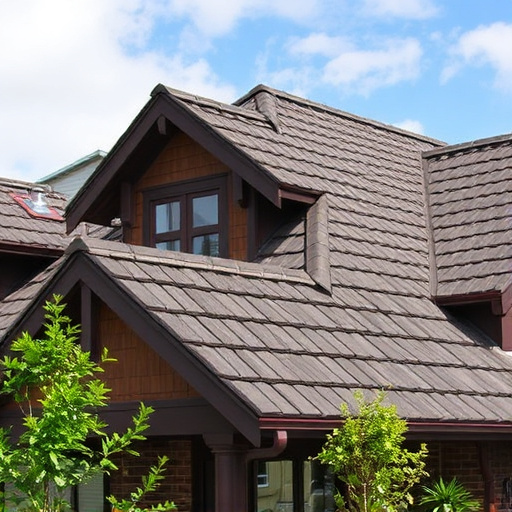
When selecting a material, consider your home's architectural style, local climate, and budget. Tile roofs are excellent for arid climates like Oro Valley's, offering durability and a distinctive aesthetic. However, they can be more expensive and heavier than other options, requiring additional structural support. Custom home builders and architects often work together to design roofs that complement the overall aesthetic while adhering to local building codes and the home's structural requirements.
Remember, the right material choice is just the beginning. Proper installation, including underlayment, flashing, and roof vents, is vital for a long-lasting, weather-resistant roof. This involves careful preparation of the roof deck, staging materials on-site, and managing potential weather delays. A roofing contractor will ensure these steps are executed correctly, adhering to industry best practices and local regulations, such as those enforced by the Oro Valley Building Department.
Installation Process: Step-by-Step Guide for a New Roof
The process of roofing a home addition in Oro Valley involves meticulous preparation and execution. It begins with a thorough understanding of local building codes and ends with a quality check that ensures the new roof meets safety standards and enhances the home's curb appeal. The first step is obtaining the necessary permits from the Oro Valley Building Department, a crucial part of any construction project. This ensures the work aligns with local regulations and can help prevent future legal issues.
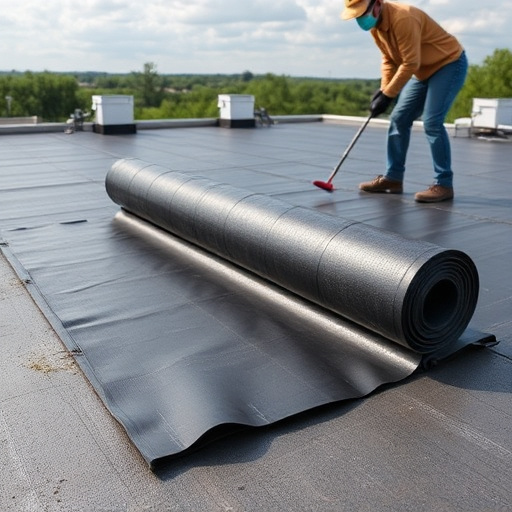
Once approved, the DC Roofing of Arizona team begins by preparing the roof deck. This involves removing any existing roofing material, inspecting the deck for damage or rot, and installing new underlayment. The underlayment acts as a secondary barrier against moisture, providing an extra layer of protection for the roof deck. After this, the installation of roof decking follows. We use high-quality decking materials to ensure structural integrity and a durable base for the new roof.
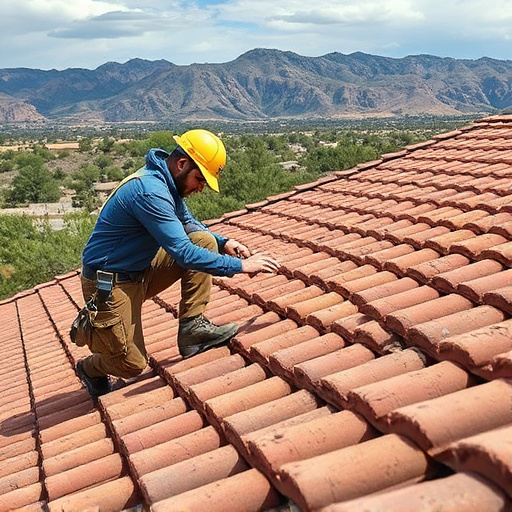
Next, we install critical components like valley flashing and bird stops. Valley flashing guards against water damage where the roof meets the side of the building, while bird stops prevent birds from nesting in the valleys, preventing potential damage and maintaining the roof's aesthetic appeal. The process culminates in the application of the chosen roofing material. Whether it's shingles, tiles, or metal, each type requires specific techniques and tools. Installing tile roofs often involves using battens to secure the tiles, while metal roofs may need specialized fastening methods.
Throughout the installation, quality checks are performed at various stages. These checks ensure that each component is installed correctly, adhering to industry standards. At the mid-installation stage, an inspector from DC Roofing of Arizona conducts a thorough examination to identify any potential issues. This proactive approach ensures that any problems are addressed promptly. Upon completion, a final walkthrough is conducted, involving the homeowner, to ensure complete satisfaction with the new roof. This meticulous step-by-step process guarantees a safe, durable, and aesthetically pleasing new roof for Oro Valley homes.
Finishing Touches: Ensuring a Natural, Long-Lasting Finish

As the installation nears its final stages, the focus shifts to the finishing touches that ensure the new roof not only looks great but also performs optimally. This includes meticulous attention to detail, such as properly installing battens, which are wooden or metal strips that support the roofing material, especially crucial for tile roofs. The roofer with an Arizona ROC license will ensure these are securely fastened, providing a solid foundation for the entire roof system.
A key component often overlooked is the drip edge, a thin strip of metal or vinyl that runs along the perimeter of the roof. It directs rainwater away from the building's walls, preventing water damage and protecting the exterior cladding. This simple yet vital detail contributes significantly to the longevity of the structure. The installation of valley flashing, which covers the joints in the roof where two sections meet, is essential for water management. These final steps are not just about aesthetics; they are functional and protective layers that ensure the new roof is a durable, long-lasting addition.
The roofer will also address any necessary adjustments to ensure the roof seamlessly integrates with the existing structure. This may involve fine-tuning the alignment or making adjustments to accommodate the natural topography of the Foothills. By combining these precise installations with a deep understanding of local building codes, the new roof becomes an integral part of the Oro Valley home, designed to withstand the region's specific environmental conditions.
Frequently Asked Questions About a Step-by-Step Walkthrough of How a New Roof is Installed on an Oro Valley Home
What is involved in the initial roof assessment?
A licensed Oro Valley area roofing contractor, like DC Roofing of Arizona, will begin by inspecting the existing roof to determine its condition and identify any issues. They'll assess the roof's structure, underlayment, and shingles or tiles. This involves climbing on the roof (with safety equipment) and closely examining the entire surface, drains, and flashing. The contractor will also take measurements and consider factors like local weather patterns and the local climate to recommend the best type of new roofing material for your home.
How do I know if I need a new roof?
Signs your roof may need replacement include missing or damaged shingles, leaks, increased energy bills due to poor insulation, and extensive age-related wear. A roofing specialist can perform a thorough inspection to pinpoint these issues and advise on the best course of action.
What types of roofs are common in Oro Valley?
In Oro Valley, like many desert areas, tile and composite shingles are popular choices. Tile roofs are durable and offer a wide range of styles. Composite shingles are a cost-effective option that mimic the look of traditional shingles while offering better wind resistance. The contractor will discuss your options based on your home's design, local weather, and your budget.
How long does a roof installation typically take?
Most new roof installations in Oro Valley take one to two days, depending on the size of the home and the complexity of the job. This includes time for removing the old roof, preparing the deck, installing underlayment, and installing new shingles or tiles.
What safety precautions are taken during installation?
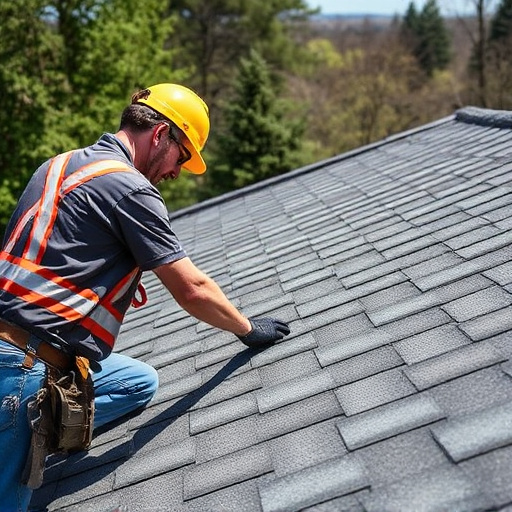
Safety is paramount. Contractors use personal protective equipment (PPE), including hard hats, safety glasses, and ropes for securing workers on rooftops. They follow strict safety protocols and use specialized equipment to ensure the safety of both workers and homeowners.
As you've navigated this practical guide to roofing a home addition in Oro Valley, several key insights emerge. First, thorough planning and material selection are foundational to a successful project. Understanding local building codes and choosing the appropriate roofing materials, like tile or shingles, based on your home's design and climate, are crucial early steps.
The installation process itself involves a meticulous sequence of activities, from preparing the roof deck to installing underlayment, flashing, and ridge and hip components. Skilled crews utilize specialized tools, like cranes for loading roof tiles, to ensure precision and efficiency. Quality checks at each stage, coupled with attention to weather conditions, mitigate potential delays.
Finishing touches, such as installing roof vents and ensuring a clean, magnetized finish, contribute to your home's longevity and curb appeal. For homeowners, the most valuable takeaway is the importance of clear communication with your roofing contractor. Understanding the crew's roles and the timeline, from mid-inspections to the final walkthrough, empowers you to be actively involved in the process.
Moving forward, consider these practical steps: engage a licensed Oro Valley contractor with experience in your type of project; schedule regular check-ins with your crew to address any concerns; and prepare your home and neighbors for potential noise and dust levels during installation. By doing so, you'll not only ensure a successful roof addition but also contribute to Oro Valley's vibrant, well-maintained housing landscape.
Planning a new roof for a home addition in Oro Valley involves several crucial steps. First, consult the Oro Valley Building Department for local building codes and regulations, including material specifications and safety standards. Choose suitable roofing materials based on climate, home style, and budget, considering options like asphalt shingles, spray polyurethane foam (SPF), tile, or metal. Ensure proper installation with underlayment, flashing, and roof vents for a durable, weather-resistant roof. Obtain necessary permits, prepare the roof deck, install critical components, and perform quality checks at each stage. Finish with precise adjustments for seamless integration with the existing structure, addressing local environmental conditions.