In Oro Valley, the choice of roofing material is a significant decision, impacting both the aesthetic appeal and energy efficiency of a home. With various options available, including tile, foam, shingle, and metal roofs, understanding the unique installation processes is crucial for homeowners. This article provides a practical guide to navigating the timeline and intricacies of each installation, from preparation to final walkthrough. We'll explore how these materials are applied, considering local building codes, weather delays, and specialized considerations for custom homes and additions. By the end, you'll be equipped to appreciate the complexities of roof installation, including the potential benefits of a cool roof design.
- Understanding Material Considerations for Cool Roofs
- Preparation: Laying the Foundation for Each Installation
- Installation Methods: Step-by-Step Guidance for Each Type
- Maintenance and Longevity: Ensuring Optimal Performance
Understanding Material Considerations for Cool Roofs
When considering a new roof, homeowners in Oro Valley often turn to a roofing contractor serving Oro Valley and Marana to explore the best options. Among the many choices, cool roofs stand out for their energy efficiency and ability to reflect heat, potentially reducing cooling costs. Let's examine the unique installation process of cool roofs, focusing on material considerations, and how it differs from traditional roofing options like tile, foam, shingles, and metal.
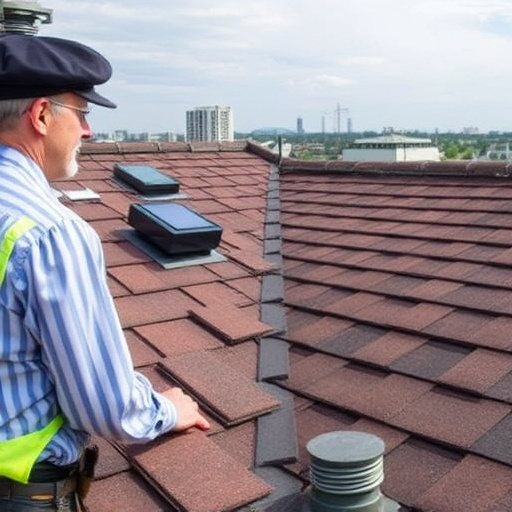
Cool roof installation involves selecting materials that meet specific criteria for high reflectivity and low emissivity, designed to minimize heat absorption. This often includes specialized underlayments and coatings. A roofing contractor might recommend a cool roof system that incorporates step flashing for enhanced water protection and a bird stop to prevent unwanted visitors from entering the roof space. In the case of custom home builders in Rancho Vistoso, where the local building codes prioritize energy efficiency, a cool roof can be a significant selling point, offering both aesthetic appeal and long-term savings.
The installation process requires careful preparation and adherence to local building codes. Unlike tile or metal roofs that can be installed quickly, cool roofs demand extra steps, such as proper deck preparation to ensure a smooth base for the reflective materials. Weather delays are common, as the installation process is sensitive to temperature and humidity levels. Homeowners should expect a timeline that may extend beyond traditional roofing jobs, especially when incorporating a cool roof system. This extended timeline accounts for the meticulous application of underlayment, the careful placement of battens for tile roofs, and the final walkthrough to ensure quality checks and a clean, magnet-free finish.
Preparation: Laying the Foundation for Each Installation
Preparation is key when undertaking any roof installation, and each roofing material has its own set of requirements before the actual laying of tiles, shingles, or metal. A cool roof installation, which is increasingly popular in Oro Valley due to its climate, involves specific steps to enhance energy efficiency. Before beginning, the licensed Arizona roofer will assess the structure and determine the best underlayment to provide a solid base, ensuring the roof is protected from moisture and providing a stable surface for the new roofing system.
For tile roofs, the roofer will install hip tiles and a bird stop to enhance the roof's aesthetic appeal and functionality. Hip tiles cover the curved edges of the roof, while a bird stop is a protective barrier that prevents birds from nesting in the eaves. These details might seem small, but they significantly impact the overall finish and longevity of the roof. The deck must also be thoroughly prepared to accommodate the weight of tile, which often requires additional support in the form of battens.
Foam roofs, known for their quick installation and superior insulation properties, necessitate a slightly different approach. The roofer will apply a layer of foam insulation directly to the roof deck, ensuring a seamless, flat surface. This process eliminates the need for underlayment, making foam roofs a lightweight and cost-effective option. Once the foam is in place, a ridge cap can be installed at the roof's peak to protect against weather and add a finishing touch.
Installation Methods: Step-by-Step Guidance for Each Type
The installation process for each roofing material varies significantly, reflecting their unique properties and intended applications. Let's break down the step-by-step guidance for installing tile, foam, shingle, and metal roofs, with a focus on practical details and best practices.
Tile Roof Installation:
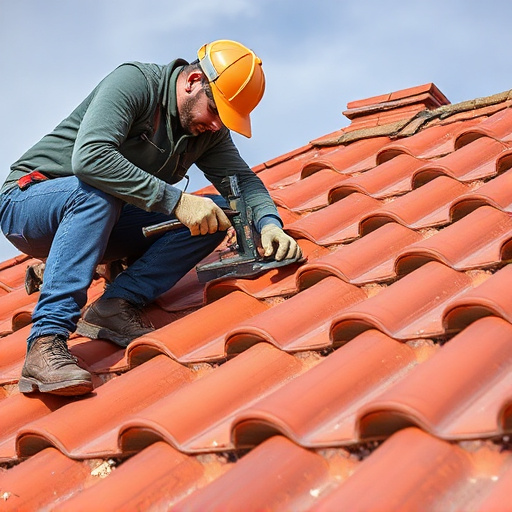
Tile roofs, known for their durability and aesthetic appeal, require careful preparation and precise placement. The process begins with ensuring a clean, dry roof deck, followed by installing underlayment and battens (wooden strips) to support the heavy tiles. For hip and ridge tiles, special flashing is integrated into the design to protect against water intrusion. Next, workers stage materials on the roof, often using a crane for heavy tiles. Tile installation involves precise cutting and fitting, requiring skilled labor. Once in place, tiles are sealed with grout, enhancing their longevity. Oro Valley's climate, with its hot summers, makes cool roof installation a priority, where reflective tiles and underlayments can significantly reduce indoor temperatures.
Foam Roof Application:
Foam roofs, a popular choice for their insulation properties, differ dramatically from other materials. This process involves spraying a rigid, closed-cell foam onto the roof deck, creating a smooth, continuous surface. Proper ventilation is crucial during application to prevent heat buildup. Unlike tiles or shingles, foam requires no underlayment or battens. Instead, it acts as its own protective layer, offering superior insulation and weather resistance. Local building codes in Pima County often mandate specific foam thicknesses and installation techniques for energy efficiency.
Shingle Installation:
Shingle roofs, the most common residential option, offer versatility and a range of aesthetic choices. Installation begins with preparing the roof deck, ensuring it's clean and free of debris. Workers then lay a layer of underlayment, providing a secondary barrier against moisture. Shingles are typically installed in a specific pattern, starting from the bottom edge of the roof and working upwards. Each layer is overlapped to enhance water runoff and prevent leaks. For hip and ridge areas, special shingles or flashing are used to complete the installation.
Metal Roof Installation:
Metal roofs, prized for their durability and low maintenance, present a different set of challenges. Installation involves attaching metal panels or shingles directly to the roof deck using screws or a specialized adhesive. Proper fastening is crucial, as metal is more susceptible to wind damage. Before installation, the roof deck must be prepared by ensuring it's free of debris and has adequate drainage. Metal roofs often require additional flashing at the edges and around vents to maintain water integrity. An experienced Oro Valley roof specialist might recommend specific types of metal based on the local climate and building design.
Maintenance and Longevity: Ensuring Optimal Performance

When evaluating the maintenance and longevity of different roofing materials, several factors come into play. Let's examine the specifics for each type: tile, foam, shingle, and metal.
Tile Roofs: Known for their durability, tile roofs can last up to 50 years or more with proper maintenance. Regular cleaning to remove moss and algae, along with inspections for loose or broken tiles, are essential. Hip tiles, which form the corners of a roof, require extra care due to their exposed position. A roofing contractor serving Oro Valley and Marana recommends semi-annual checks to ensure these critical components remain secure.
Foam Roofs: Offering excellent insulation properties, foam roofs are lightweight and resistant to punctures. With proper installation and underlayment, they can last 20 to 30 years. Synthetic underlayment, a crucial component, provides an extra layer of protection against moisture. However, foam roofs are sensitive to weather conditions, particularly in areas with high humidity, which can lead to mold growth. Regular inspections and addressing any leaks promptly are vital to maintaining their longevity.
Shingle Roofs: Shingles, whether made from asphalt or wood, typically last 25 to 40 years. Asphalt shingles, the most common choice, offer a wide range of styles and colors. Regular maintenance includes trimming trees and shrubs to prevent branches from blocking gutters and downspouts. Checking for missing or damaged shingles after severe weather events is crucial. The Oro Valley Building Department emphasizes the importance of timely repairs to maintain the structural integrity of the roof.
Metal Roofs: Metal roofs are known for their longevity, often lasting 40 to 60 years or more. They are resistant to rot, rust, and fire. However, metal is susceptible to dents and scratches, which can impact its aesthetic appeal. To maintain a metal roof, avoid using power washers, as they can cause damage. Instead, use a soft brush and mild detergent. Ensure proper installation, including the use of appropriate fasteners and underlayment, to prevent leaks. A cool roof installation, for instance, can further enhance energy efficiency by reflecting sunlight, reducing heat transfer, and lowering cooling costs.
Frequently Asked Questions About a Comparison of How Tile, Foam, Shingle, and Metal Roofs Are Installed
What is the typical timeline for each type of roof installation?
The installation timeline varies by roof type, material, and complexity of the job. Generally, tile roofs often take the longest to install, with most projects taking 2-3 weeks due to the precise, handcrafted nature of the work. Foam roofs are quick, with installations typically completed in 1-2 days. Shingle roofs fall in the middle, usually taking 3-5 days, while metal roofs can be installed relatively swiftly, often in 1-2 days, depending on the size and complexity of the project.
Which roof type is the most durable?
Determining the "most durable" roof type is subjective, as each has its strengths and weaknesses. Metal roofs are known for their exceptional longevity, resisting rust and rot, and offering excellent resistance to extreme weather. Tile roofs also boast high durability, with proper installation ensuring they can last 50 years or more. However, foam and shingle roofs, while still durable, may not last as long as tile or metal, typically lasting 25-40 years.
Are there any significant cost differences between these roof types?
Absolutely. The cost of each roof type varies widely based on material, complexity of installation, and local labor rates. Tile roofs are often the most expensive option, with premium materials and skilled labor driving up prices. Foam roofs are usually the most cost-effective, while shingle roofs fall in the middle range. Metal roofs, while durable, can be more expensive than shingles but generally cheaper than tiles.
Which roof type offers the best energy efficiency?
Foam roofs are renowned for their superior energy efficiency, providing excellent insulation and helping regulate indoor temperatures. This can lead to significant savings on energy bills. Tile and metal roofs also offer good insulation, but they don't typically match foam's energy efficiency. Shingle roofs, while functional, are generally the least energy-efficient of the four.
Can a roof type be easily repaired or replaced?
Each roof type lends itself to different levels of repairability and replaceability. Tile and metal roofs, with their durable nature, often require minimal repairs and can be easily replaced when needed. Shingle roofs, with their frequent need for repairs due to damage from weather or aging, can be more challenging to maintain. Foam roofs, while lightweight and easy to repair, may require replacement if the entire layer needs to be redone.
As the article has explored, choosing the right roofing material and understanding the installation process are crucial for a successful and durable roof. We've examined the unique requirements of cool roof installations, highlighting the benefits of tile, foam, shingles, and metal. From preparation to maintenance, each step matters in ensuring the longevity of the structure.
Tile roofs, for instance, demand precise batten placement and careful crane loading, while foam roofs offer a lightweight, efficient solution. Shingles, a traditional choice, require meticulous installation to avoid leaks, and metal roofs bring a unique set of installation considerations, including ridge and hip designs. Understanding local building codes and Oro Valley's specific requirements is essential, especially with the varying topography of the region.
Practical considerations like weather delays, staging materials, and noise and dust management are inherent in any roof installation timeline. Homeowners should anticipate these factors and plan accordingly. Regular quality checks during the install, along with proper post-installation cleanup, contribute to a positive final walkthrough.
The process of installing a new roof is a complex yet manageable task when approached with the knowledge gained from this practical guide. Whether embarking on a new construction project or roofing a home addition, understanding these materials and their installations is key to a successful and cool roof that protects your Oro Valley home for years to come.
Cool roof installation involves selecting reflective materials for energy efficiency, requiring careful deck preparation and local building code adherence. The process is meticulous, with extended timelines due to detailed application steps. Compared to tile, foam, shingle, and metal roofs, cool roofs demand extra preparation, such as underlayment and battens for tile, foam application, precise tile cutting, and metal fastening. Each roofing material has unique installation and maintenance requirements, affecting longevity and cost-effectiveness.