
In the intricate world of roof installations, especially in the unique landscape of Oro Valley, understanding the critical roles of underlayment, flashing, and ridge work is paramount for both homeowners and local building professionals. These components form the foundation-metaphorically and literally-for any new construction or home addition project, playing a pivotal role in protecting your investment. This article examines the nitty-gritty of these essential processes, providing a practical guide for homeowners and a valuable resource for local roofing contractors navigating the timeline of a cool roof installation. By demystifying these tasks, we aim to empower both parties to ensure a successful and durable roof.
- Understanding Underlayment: The First Layer of Protection
- Flashing for Watertight Integrity: A Crucial Step
- Ridge Work: Securing the Roof's Crown
- Cool Roof Installation: Natural Strategies for Energy Efficiency
Understanding Underlayment: The First Layer of Protection
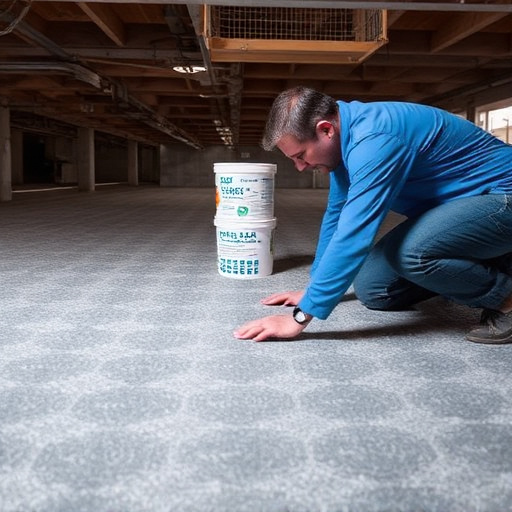
Underlayment, a crucial component in any roof installation, serves as the first layer of protection for your home. When planning a cool roof installation, understanding underlayment becomes even more vital. This layer, often made of synthetic or fiber materials, acts as a barrier between your roof deck and the elements, providing insulation and preventing water intrusion. A roofer with an Arizona ROC license will typically install underlayment in one of two ways: as a continuous sheet or in rolls, overlapping each section to create a water-tight seal.
Effective drip edge installation is a key step after underlayment. This component, usually made of metal, is designed to direct rainwater away from the building's walls, preventing water damage to siding, trim, and other structural elements. Ridge caps also play a significant role, providing a final layer of protection at the roof's highest point. They shield the underlayment and flashing from wind and weather, ensuring a longer-lasting cool roof.
For tile roofs, battens-horizontal boards that support the tiles-are crucial for proper underlayment placement. They ensure the underlayment is securely fastened and aligned, preventing damage from wind or heavy rain. This meticulous attention to detail is what separates a standard roof installation from a cool roof installation designed for energy efficiency and longevity. Always ensure your roofing contractor follows local building codes and industry best practices for these critical components, guaranteeing a robust and durable roof system.
Flashing for Watertight Integrity: A Crucial Step

Flashing plays a critical role in ensuring the watertight integrity of a roof, particularly during a new construction or cool roof installation in Oro Valley. This crucial step involves installing a barrier that seals the intersection of the roof and other structural elements, like chimneys or vents. A local roofing company serving Oro Valley with an Arizona ROC license understands that proper flashing prevents water infiltration, which can lead to costly and damaging leaks.
In a typical Oro Valley roof installation, flashing is applied before the underlayment. It's often made from a durable, flexible material like metal or synthetic rubber. For cool roof installations, the choice of material is especially important, as the reflective surface helps manage temperature, but must also withstand the region's unique environmental conditions. Spray polyurethane foam (SPF) underlayment, for example, is increasingly popular for its excellent air and water barriers, offering an additional layer of protection. This multi-layered approach ensures that even if one component fails, others will maintain the roof's integrity.
During installation, flashing is carefully cut and fitted to the roof's contours, with special attention to areas prone to the most stress, like valleys and chimneys. Adhering to local building codes, which can vary based on the region's topography and climate, is paramount. In Oro Valley, with its distinct Foothill topography, specific flashing requirements might apply to ensure the structure can withstand the area's unique wind patterns. Once in place, flashing is sealed and tested for any gaps or tears, demonstrating the skill and expertise of the installation crew.
Proper ridge and hip work, alongside meticulous flashing installation, ensures a roof not only looks good but also performs optimally. These steps, combined with a well-planned underlayment, are essential for a successful roof installation, whether it's for a custom home or a simple addition. At the final walkthrough, a qualified roofer will check these elements, ensuring the roof meets the high standards required for any Oro Valley residence.
Ridge Work: Securing the Roof's Crown
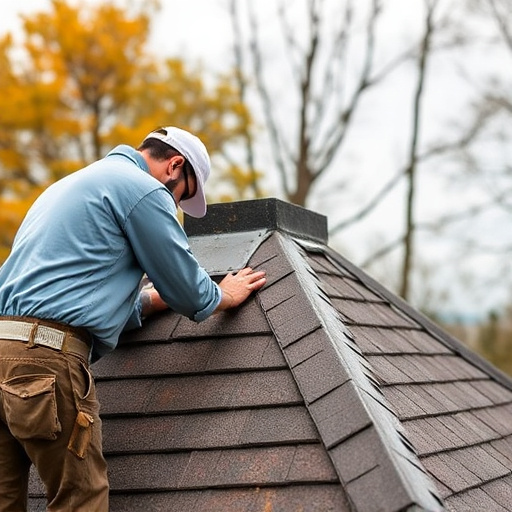
Ridge work is a crucial final step in any roof installation, especially in the Town of Oro Valley, where the unique topography and local building codes demand careful consideration. As a roofing contractor serving Oro Valley and Marana, we've seen firsthand how this phase can make or break a new roof's performance and longevity. The process involves securing the highest points of the roof, known as ridges, ensuring water runoff is effective and preventing leaks.
When installing a cool roof, ridge work becomes even more critical. Cool roofs are designed to reflect sunlight and absorb less heat, reducing energy costs and providing additional protection against extreme temperatures. In Oro Valley, where the sun's intensity can be significant, this is a valuable asset. During ridge installation, we use specialized materials to create a seamless seal along the hip tiles and at the eaves. This closure is essential for maintaining the roof's integrity and preventing water intrusion. The Town of Oro Valley permits must be obtained before any significant roofing work, ensuring compliance with local building standards.
A skilled crew will install ridge caps or ridge shingles, nailing them securely in place. This step often involves precise measurements and cutting to ensure the ridge lines align perfectly with the roof's design. On custom home builds, architects and builders work closely with us to create unique ridge lines that complement the home's aesthetics. Proper ridge work not only enhances the roof's appearance but also acts as a final defense against the elements. It's a detail that often goes unnoticed by homeowners until they appreciate the peace of mind it provides, knowing their roof is performing at its best.
Regular inspections during and after ridge work are vital. Our crew leads conduct mid-install checks to ensure everything is on track, and a final walkthrough confirms the work meets our high standards. We understand that roofing noise and dust can be disruptive, so we strive to minimize both. Our expertise in ridge work, combined with our focus on quality and customer satisfaction, sets us apart. As a trusted local roofing contractor, we're committed to providing Oro Valley residents with roofs that not only look great but also stand the test of time.
Cool Roof Installation: Natural Strategies for Energy Efficiency
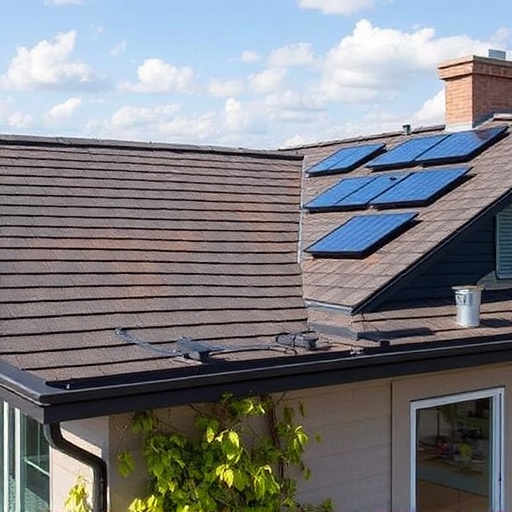
During a cool roof installation, specialized materials and techniques are crucial to enhance energy efficiency and extend the lifespan of your Oro Valley roof. This process involves careful consideration of underlayment, flashing, and ridge work, which collectively ensure water protection, structural integrity, and optimal performance under varying climate conditions.
A key component of a cool roof is the underlayment, which acts as a secondary barrier against moisture intrusion. Unlike traditional underlayments, cool roof underlayments are designed to reflect heat, further contributing to energy savings. Proper fastener spacing is essential to maintain the integrity of this layer, preventing any shifting or movement that could compromise the roof's defense against the elements. Concrete tile roofs often require more robust underlayment and specific fastener spacing to withstand the weight and potential thermal expansion of these heavy tiles.
Flashing matters in a cool roof installation, particularly at critical points like the ridge and hips of the roof. Properly installed flashing prevents water from seeping into joints and crevices, minimizing the risk of leaks and moisture damage. A roofer with an Arizona ROC license understands the importance of using the right flashing materials for different climates and roof types. In areas prone to heavy rain and high humidity, a durable, flexible flashing may be preferred to maintain a watertight seal.
Ridge and hip work are critical components of a cool roof installation. The ridge is the highest point of the roof, and proper ridge work ensures water runs off efficiently, preventing water damage and reducing the roof's heat absorption. Hip work, on the other hand, involves the corners of the roof, where flashing and underlayment must be carefully integrated to maintain a continuous barrier. Bird stops, designed to keep birds and other wildlife out of the roof cavity, are also installed during these critical stages to ensure the longevity of the cool roof system.
Frequently Asked Questions About a plain language look at underlayment, flashing and ridge work during an install
What is underlayment in roofing?
Underlayment is a protective layer installed between the shingles or tiles and the roof deck. It's designed to prevent water infiltration, add insulation, and provide a secondary barrier against damage from wind and other elements. Think of it as an extra shield for your roof.
Why is flashing important during installation?
Flashings are thin, flexible materials that seal joints and openings in a roof. They protect against water intrusion where a roof element meets another, like around chimneys, vents, and valleys. Correctly installed flashing is crucial for a durable, leak-free roof.
What's the difference between ridge and valley flashing?
Ridge flashing protects the top edge of a roof where two slats meet, while valley flashing guards the bottom, where the slopes of two roofs join. Both are essential for water shedding and preventing leaks.
How long does underlayment and flashing installation typically take?
Most roofing installations, including underlayment and flashing, take one to two days, depending on the roof's size and complexity. A licensed roofer will efficiently complete the work, ensuring a quality finish.
Can I install underlayment and flashing myself?
While some DIYers tackle small projects, it's highly recommended to hire a licensed Oro Valley area roofing contractor for underlayment and flashing work. These tasks require specific skills and knowledge to ensure a waterproof, durable seal.
What materials are commonly used for underlayment and flashing?
Underlayment can be made of felt paper, synthetic materials like synthetic underlayment, or foam. Flashing is typically made from metal, plastic, or rubber, chosen based on the roof's design and local climate.
Understanding and implementing the right underlayment, flashing, and ridge work is crucial for a successful roof installation in Oro Valley. The article highlights the significance of each component: underlayment serves as the first layer of protection against moisture and damage; flashing ensures watertight integrity, preventing water intrusion at critical points; and ridge work fortifies the roof's crown, enhancing its structural strength. We've explored the benefits of cool roof installation, a strategic approach to energy efficiency that can significantly reduce cooling costs. By integrating these key practices, homeowners and local roofing contractors can achieve not only a robust, long-lasting roof but also a more sustainable and cost-effective solution. Moving forward, consider these practical steps: consult with experienced contractors who understand local building codes and Oro Valley's unique topography; prioritize quality materials and meticulous installation; and stay informed about weather forecasts to minimize delays. These measures will ensure a seamless roof installation process, resulting in a secure, efficient, and aesthetically pleasing roof for any residential or commercial property.
In cool roof installations in Oro Valley, underlayment, flashing, ridge work, and meticulous attention to detail are paramount. A licensed Arizona roofer ensures these components are installed correctly:
- Underlayment: Provides a protective barrier between the roof deck and elements, installed as a continuous sheet or in rolls for a water-tight seal.
- Flashing: Seals intersections at valleys, chimneys, and other areas, preventing water intrusion, especially important for cool roofs facing unique environmental conditions.
- Ridge Work: Secures ridge caps or shingles for effective water runoff and enhanced structural integrity, crucial for the high points of the roof.
These steps, when executed by a skilled crew, result in a durable, energy-efficient roof system that protects homes in the region's distinct climate.